
A Compassionate Guide to Helping Loved Ones Downsize for Assisted Living
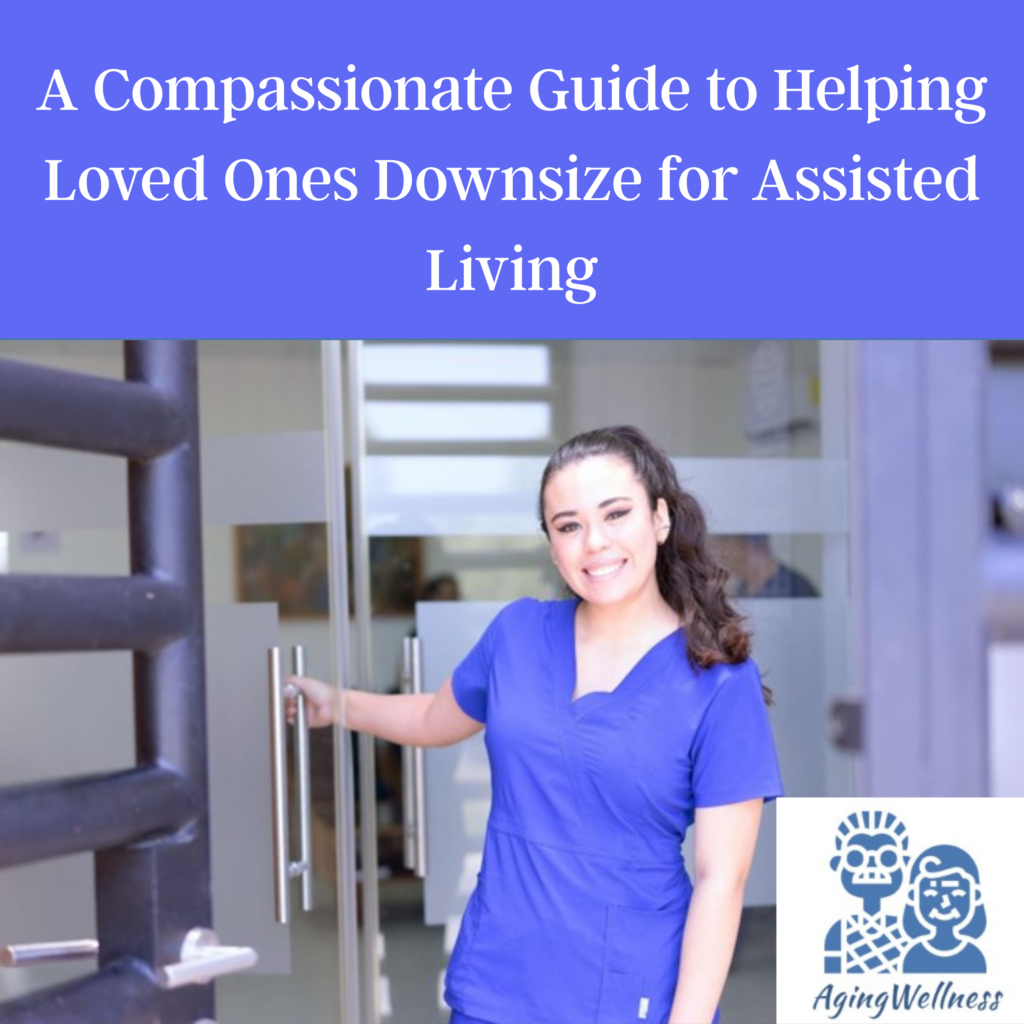
Image via Pexels
For adult children, spouses, and family caregivers preparing an elderly loved one for an assisted living transition, the hardest part often isn’t the logistics; it’s what every box represents. Downsizing challenges for families tend to land all at once: a parent who feels cornered, siblings with different opinions, and a calendar that won’t slow down. The emotional impact of downsizing can show up as guilt, grief, and impatience in the same afternoon, even when everyone wants what’s safest. With steady family caregiving support, the process can feel less like loss and more like a careful handoff.
Create a Room-by-Room Downsizing Checklist
This checklist helps your family reduce clutter without turning every decision into an argument. It matters because a steady, repeatable process protects relationships and keeps the move from becoming a last-minute scramble.
- Set goals and a realistic timeline
Start by defining what “success” looks like: what must fit in the new space, what needs to be done by moving day, and what can wait. A plan built around a realistic timeline reduces pressure on your loved one and helps siblings coordinate. - Choose one room and set up sorting stations
Pick a low-emotion space first, like a bathroom or linen closet, and commit to one short session. Use labeled bins or boxes so items can be sorted fast; the clear structure of four categories keeps decisions from spiraling. - Sort with “keep, pass on, donate, discard” rules
Handle one drawer or shelf at a time and decide immediately where it goes, rather than making a growing “later” pile. If something is useful but not essential, place it in the donate bin; if it is personal or meaningful, move it to the pass-on bin for a family conversation. - Make “keep” earn its space in the new home
For each item you keep, answer one question: where will it live in the assisted living apartment? If you cannot name a spot, it is a strong sign it should be donated or passed on, even if it is still in good condition. - Pass on belongings with a fair, low-stress system
Take photos of “pass-on” items, then invite siblings to choose using a simple rotation or a timed first-pick order. When two people want the same item, agree on a tiebreaker ahead of time, like drawing numbers or swapping for another item, so your loved one is not asked to referee.
Preserve Photo Memories Without Keeping Every Album
As you move room by room, photo albums and printed keepsakes often become the pile everyone pauses over. During big life transitions, and especially when a home is being organized for a smaller space, old family photographs can feel like the heart of what you’re trying to protect. They’re also surprisingly vulnerable: prints fade, faces blur, and older snapshots may have been developed or copied at a low resolution that doesn’t hold up when you try to zoom in, share them with relatives, or make a fresh reprint. Over time, that loss of clarity can make it harder to preserve the stories attached to those images.
That’s where AI-powered image upscaling can help. By enlarging and enhancing older photos, these tools increase resolution, sharpen facial details, and improve overall image clarity, so the digital versions you save look cleaner and are easier to pass along. If you’re already scanning pictures as part of downsizing, using a tool like the Adobe Firefly AI picture upscaler online can be a practical way to create a more vivid digital archive (or higher-quality reprints) without needing to keep every bulky album.

Image via Pexels
Habits That Keep Downsizing Kind and Steady
Downsizing for assisted living goes better when support shows up consistently, not just in one big sorting weekend. These habits help families communicate with care, reduce decision fatigue, and protect dignity while you make steady, confidence-building progress.
Ask Before You Handle
- What it is: Ask permission before touching or moving any personal item.
- How often: Every session
- Why it helps: It preserves autonomy and lowers defensiveness.
Set a 30-Minute Decision Timer
- What it is: Work in short bursts, then stop when the timer ends.
- How often: 2 to 4 times weekly
- Why it helps: Short sessions prevent overwhelm and burnout.
Use the “Keep, Gift, Donate, Trash” Labels
- What it is: Place four labeled bags or bins to sort quickly.
- How often: Every sorting session
- Why it helps: Clear categories reduce second-guessing.
Mirror and Validate Feelings
- What it is: Repeat back what you hear using active listening.
- How often: Daily, during conversations
- Why it helps: It builds trust when emotions run high.
Schedule a Weekly Family Check-In
- What it is: Share updates, decisions, and next steps in one short call.
- How often: Weekly
- Why it helps: It keeps everyone aligned and reduces tension.
Questions Families Ask About Downsizing and Assisted Living
Q: What are the clearest signs a parent needs more support now?
A: Look for changes that affect daily life, not just age: missed medications, unsafe cooking, isolation, and caregiver burnout. Many families recognize signs it may be time when safety and routine tasks start slipping. Start tracking specific moments for two weeks so decisions feel grounded, not emotional.
Q: How do I bring up assisted living without making them feel ashamed?
A: Lead with what you want for them: comfort, choice, and less stress, not “you can’t.” Ask permission to talk, use one concrete example, then pause and listen. It helps to start the conversation early so they can steer decisions.
Q: What if my siblings disagree about what to keep or when to move?
A: Pick one shared goal such as safety or a calmer daily routine, then decide on a simple process for disputes. Assign roles: one person handles paperwork, another coordinates donations, another supports the parent emotionally. If conflict stays stuck, a neutral third party like a geriatric care manager can help.
Q: Can we downsize respectfully if they have very low energy or pain?
A: Yes, just shrink the scope. Choose one “easy win” category like expired food or duplicate linens, and stop before fatigue hits. Offer two choices at a time so they keep control without getting overwhelmed.
Q: How do we preserve memories when there is not room for everything?
A: Treat memory as the priority, not the object. Photograph items, record a short story about why they mattered, and keep one small “legacy box” for the best pieces. When gifting, include a note with the story so the meaning travels with it.
Protecting Independence Through Thoughtful Downsizing for Assisted Living
Downsizing for assisted living can feel like asking someone to give up pieces of themselves just to fit a new space. The gentlest path is a reflective downsizing process grounded in empathy in family transitions, honoring stories, naming what matters most, and letting go at a pace that protects dignity. With thoughtful preparation, the positive outcomes of thoughtful preparation show up quickly: more safety, less stress, and better support for elderly independence as daily life becomes simpler to manage. Help them keep the life, not the clutter. Choose one small step this week, set a calm time to sort one drawer or photo box together, and listen for what each item represents. That care helps the hopeful assisted living adjustment feel like steadier footing for the years ahead.
Submitted By:
“Ms. Bridges is the creator of Aging Wellness, a website that aims to provide health and wellness resources for aging seniors. She’s a breast cancer survivor. She challenges herself to live life to the fullest and inspire others to do so as well.”
Contact Lori La Bey
Join the “Giver Of Hope” cause and download your graphic here.

Listen & Subscribe to Alzheimer’s Speaks on Your Favorite Podcast

Contact Us To Be On The Next Open Mic https://alzheimersspeaks.com/be-a-guest/





PLAN AHEAD! Maude’s Awards gives three annual $25,000 awards to organizations and up to five $5,000 awards to individuals.

And How They Are Busting Stigmas By Highlighting Possibilities
Dementia Map Global Resource Directory https://www.dementiamap.com

Learn About The Programs Alzheimer’s Speaks Offers

Talk To Lori La Bey About Your Next Speaking Event for Staff or Families. She Offers A Variety Of Keynotes, Breakout Sessions, Trainings, and Fundraising Asks

Check Out Alzheimer’s Speaks FREE Educational Resources

Conscious Caregiving with L & L is a monthly program covering tough conversations to raise awareness, provide support, and make resources. available. Watch the video now.

Check out Echo’s Insights, where you will learn what it’s really like to live with Alzheimer’s Disease. Visit our Dementia Chats page for more details.

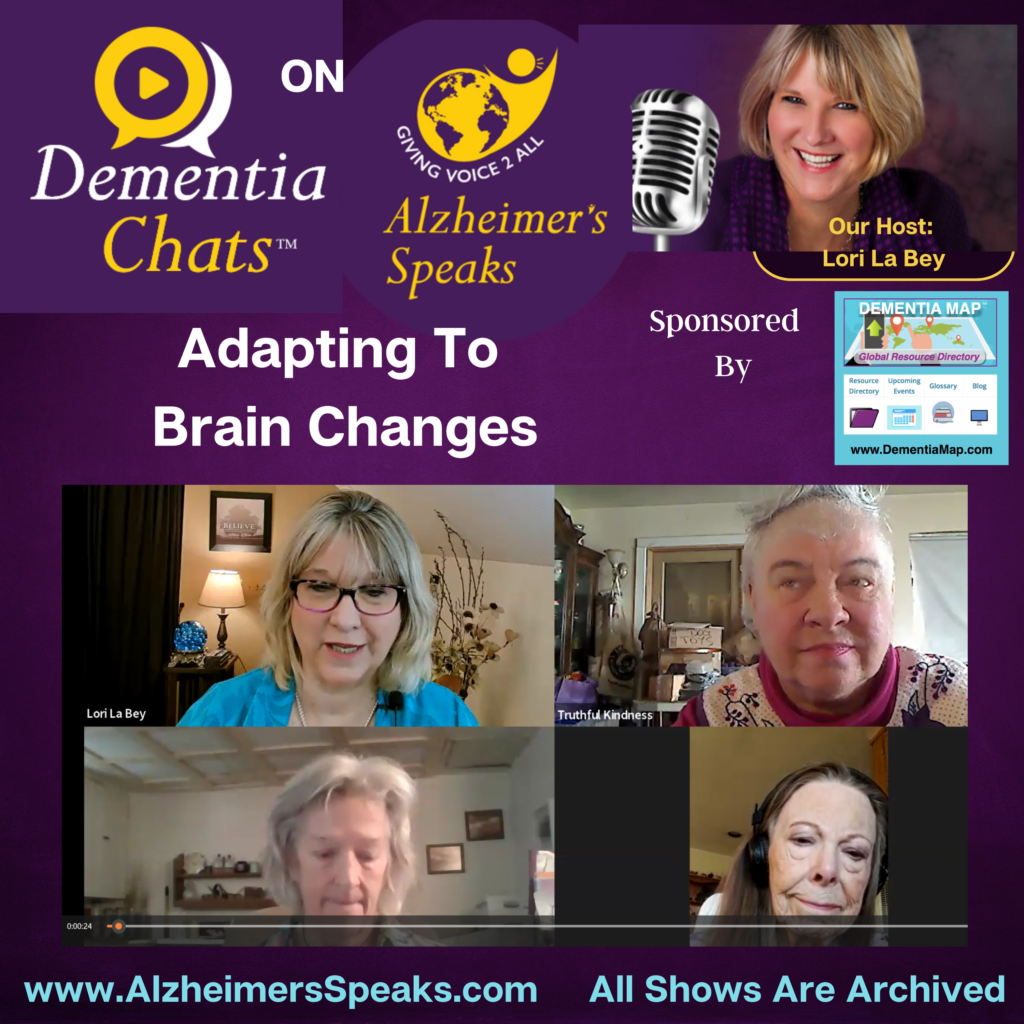
Dementia Chats Brings You Adapting to Brain Change on Alzheimer’s Speaks
Learn More About Dementia Chats