
How to Stay Close With Your Loved One After a Dementia Diagnosis

When your parent or loved one receives a diagnosis of dementia, Alzheimer’s disease, or other dementias, life can feel like it stops. After processing the news, you may wonder how you’ll maintain your relationship over time. Finding help for parents with dementia and the resulting interpersonal changes will make your journey easier.

1. Practice Patience With Them
Patience is a challenging attribute to develop. You may find that you need more of it as your parents’ dementia symptoms become a bigger part of your everyday life. The disease causes communication and behavioral changes that they can’t always control. Your loved one might even become suspicious of other people or accuse them of hiding things.
Watching someone you love start acting like a different person is difficult. Practice techniques to strengthen your patience before those moments arrive. If you try meditating throughout your day or practicing deep breathing techniques, you may be better able to guide your family through those challenging moments. You’ll also find more patience for yourself as a caregiver, which you may need if you struggle with self-criticism.
2. Get Supportive Tools
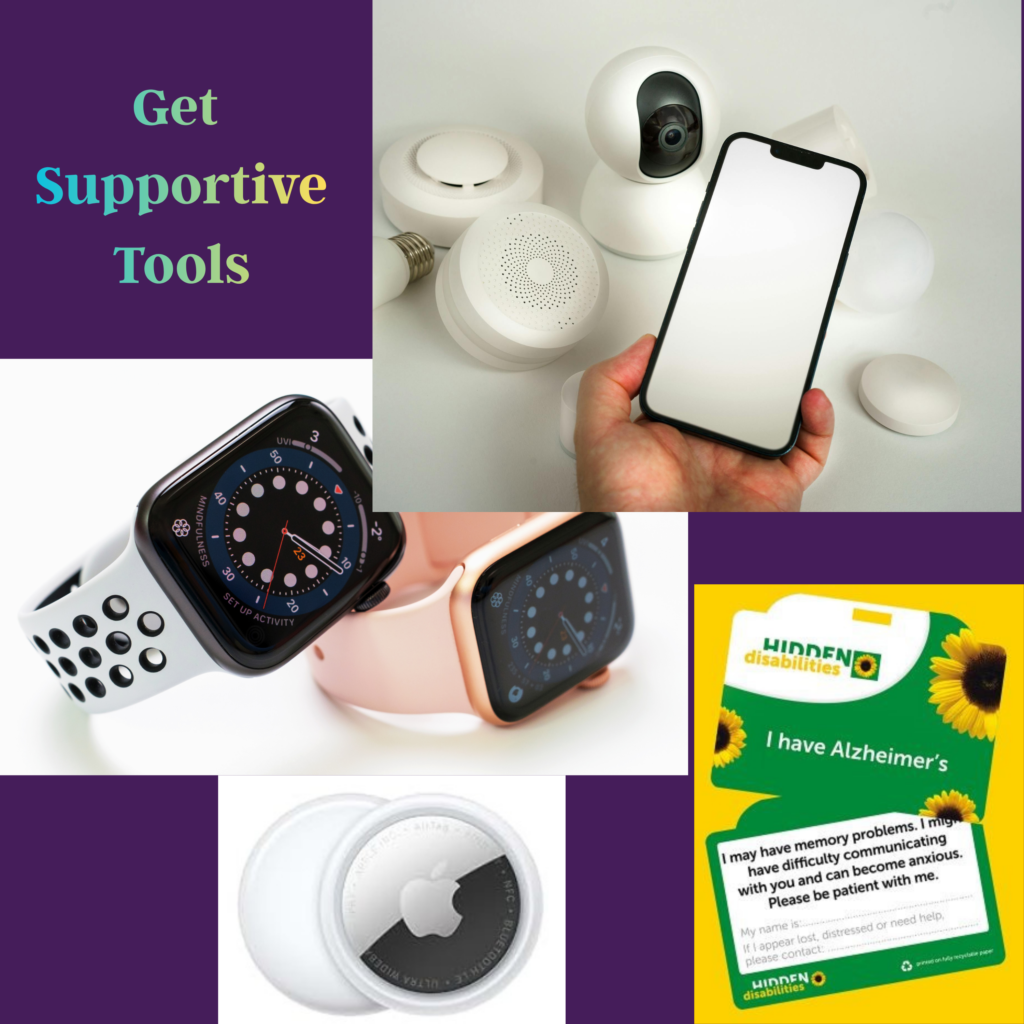
Your parents’ dementia diagnosis may feel like something happening only inside your home, but many people have been in your place. Resources are available to make your life easier. Dementia door locks can prevent your parent from getting into spaces with harmful objects, like gardening tools. You might even consider adding a smart security system, so you can double-check that your loved one is safe at any time.
Wearable resources can also provide peace of mind. The latest medical alert systems use automatic fall detection technology to alert caregivers when their loved one has fallen. If you need to leave your parent alone for any amount of time, you won’t worry that they’re waiting for help while you’re gone for hours.

3. Develop a Routine
Routines sometimes make life less confusing for people with dementia. Predictable daily structures reduce anxiety by giving them familiar activities that also indicate the time of day. Talk with your parent about creating a daily structure that works for them if they are still in the early stages of dementia.
Loved ones with progressive dementia may need a more flexible schedule. You’ll have to modify it as their symptoms change. Dementia can worsen a person’s sleep routines, so you might need to do more things at night if your loved one starts sleeping later in the day. If you need help for parents with dementia, creating a daily structure may be an excellent place to start improving your shared quality of life.
4. Learn What Not to Say
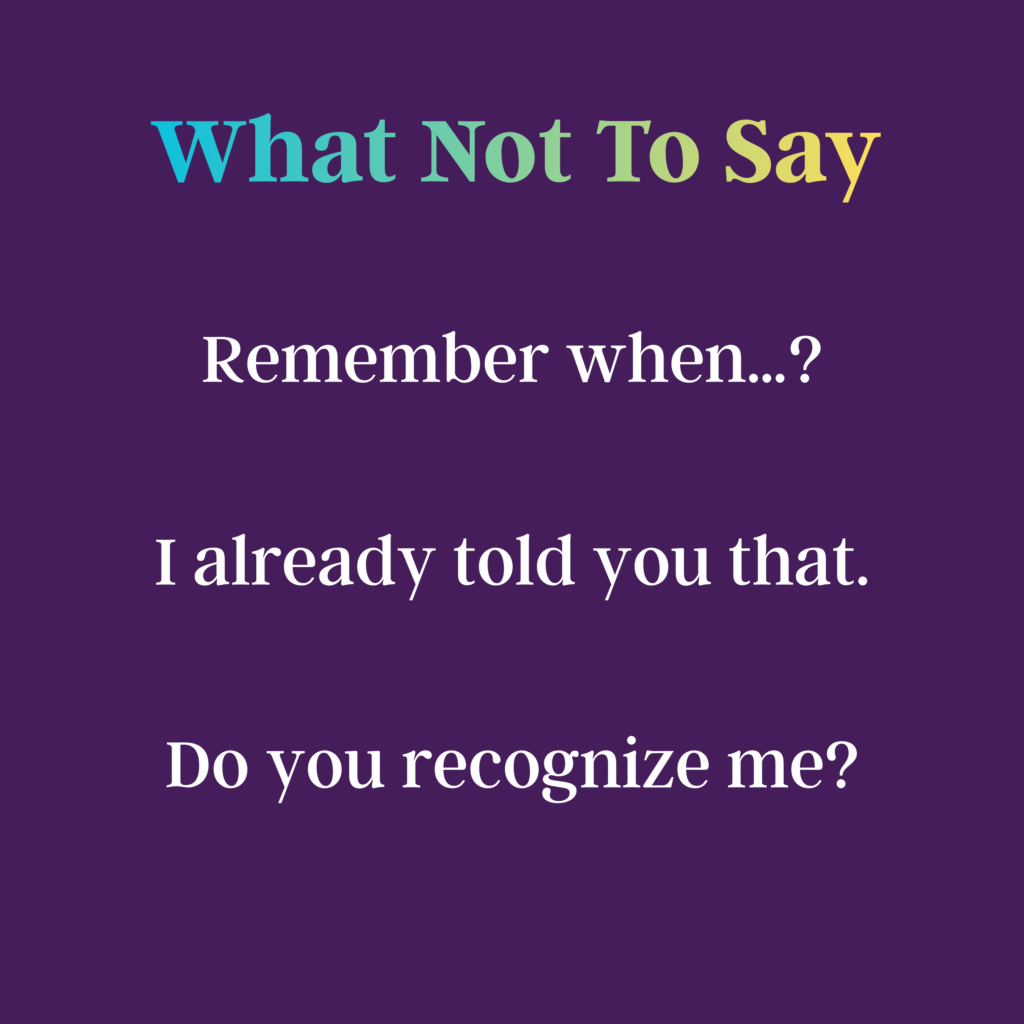
People sometimes struggle to hold conversations with parents diagnosed with dementia. You may have good intentions when you gently challenge their confusion, but it might only make them upset. Creating a list of things not to say to someone with dementia can help you feel more confident in everyday conversations. Avoid phrases such as:
- Remember when…?
- I already told you that.
- Do you recognize me?
Asking people with dementia to recall things or reminding them that they forgot something can make them feel ashamed. Monitor your parents’ reactions to specific phrases and add them to your list as needed.
You can also learn from people who understand how dementia affects caregivers and their loved ones. Alzheimer’s Speaks has many free resources to help you learn, like informational podcast episodes available across listening platforms. Tuning into episodes while you’re cleaning the house could introduce you to new ideas that reinforce your relationship.

5. Find New Bonding Activities
Memory loss takes hobbies away from people. Your parent may no longer be able to read their favorite novels or walk local trails by themselves. Caregivers looking for alternative bonding activities can use resources from Alzheimer’s Speaks. You may find much-needed advice by checking in with the encouraging and educational content, especially as your routine adapts to your parent’s progressing disease.
Watching videos can also become a new shared hobby. The team behind Alzheimer’s Speaks also regularly posts YouTube videos that cover diverse topics. Whether you’re sharing a video with your parent or watching one for caregivers, you’ll add new activities to your daily life.

6. Make New Friends
Caregivers don’t face the same health challenges as dementia patients, but they may feel equally isolated. Your friends might not know how to talk with you about your caregiving responsibilities or your concerns about your parent. Finding new friends in dementia-focused communities can help you manage that emotional pain.
Alzheimer’s Speaks hosts a Memory Cafe where people post about their experiences and find support. People with early-stage dementia can write about how they feel after getting their diagnosis. Learning from each other will help you maintain a healthy relationship with your parent and feel more at ease about what’s going on in your shared life.
Find Help With Parents With Dementia
Change may feel intimidating, but you’re not alone. If you want to maintain a strong relationship with your parent after they get a dementia diagnosis, Alzheimer’s Speaks can help. Whether you want to connect with other caregivers or learn about how people live with the disease, you’ll find many resources that can make the journey easier for both of you.
By Beth Rush, Founder and Managing Editor, Body+Mind Magazine

Beth Rush is the mindfulness editor at Body+Mind. She writes about caring for loved ones with Alzheimer’s disease. She also shares tips for coping with c-PTSD, PCOS, and climate anxiety. Her goal is to encourage readers to live their best lives. Subscribe to the Body+Mind Newsletter for more posts by Beth
Contact Lori La Bey or set up a time to chat with her. Get your questions answered or discuss your branding needs.
Join the “Giver Of Hope” cause and download your graphic here.

Listen & Subscribe to Alzheimer’s Speaks on Your Favorite Podcast

Contact Us To Be On The Next Open Mic https://alzheimersspeaks.com/be-a-guest/
FeedSpot Honors Us Again For Being One Of The Best 20 Alzheimer’s Podcasts for 2025.

We are so proud to be recognized by Feedspot as a Top Blog & Website.

We are Thankful once again for being honored as a Top 10 Podcast! Thank you, Million Podcasts.
And How They Are Busting Stigmas By Highlighting Possibilities
Dementia Map Global Resource Directory https://www.dementiamap.com

Learn About The Programs Alzheimer’s Speaks Offers
Talk To Lori La Bey About Your Next Speaking Event for Staff or Families. She Offers A Variety Of Keynotes, Breakout Sessions, Trainings, and Fundraising Asks

PLAN AHEAD! Maude’s Awards gives three annual $25,000 awards to organizations and up to five $5,000 awards to individuals. Applications are are currently closed
Check Out Alzheimer’s Speaks FREE Educational Resources
Conscious Caregiving with L & L is a monthly program covering tough conversations to raise awareness, provide support, and make resources. available. Watch the video now.


Learn More About Dementia Chats