
The Hidden Cost of “Free” Family Respite Care — and When to Pay for Help Instead

When you love someone living with dementia or Alzheimer’s disease or other dementias, the word “free” can sound like a lifeline. Free respite care often arrives at the exact moment you feel exhausted or when you fall asleep sitting upright on the couch. You may need a few hours to breathe.
However, many caregivers quietly discover there can be hidden emotional, physical, and financial costs to relying only on free respite care. The guilt, inconsistency, waitlists, and stress of constantly piecing together support can leave you even more drained than before.
That does not mean free respite care is bad. It means you deserve to understand the full picture — and to know when paying for professional help may actually protect both you and the person you love.

The Emotional Reality Behind Free Help
At first, accepting free respite care may feel uncomfortable. Many care partners are used to doing everything themselves. You may worry nobody else understands your loved one’s routines, triggers or fears.
Then comes the relief of finally getting a break. Your sister may agree to stay with Dad for a Saturday afternoon. A local volunteer organization may offer four hours of companionship each week. Maybe a church member sits with your spouse while you run errands.
For a little while, it feels manageable, but over time, the cracks often start to show. Your loved one may become confused when different people rotate in and out. One volunteer may be patient and calm, while another may unintentionally rush or argue with them. Family members may slowly disappear because caregiving is harder than they expected.
You may even find yourself spending your “time off” answering phone calls, leaving detailed instructions, or worrying the entire time you are away. That emotional labor adds up. Even during breaks, your brain never fully rests.
According to a 2025 analysis from the Alzheimer’s Association, about 60% of dementia caregivers experience at least one modifiable health risk linked to a higher likelihood of developing dementia themselves, such as poor sleep and hypertension. When caregivers go months or years without reliable support, physical consequences can become impossible to ignore.

The Hidden Problems Nobody Talks About
Free respite care often comes with limitations that can create new stressors. Here are some downsides you may encounter.

Long Waitlists and Limited Hours
Many community respite programs have limited funding and overwhelming demand. You may wait weeks or months for availability. Some offer only a few hours per month, which barely meet the daily demands of caregiving.
If your loved one needs evening support, overnight supervision or specialized dementia care, free options may be even harder to find.
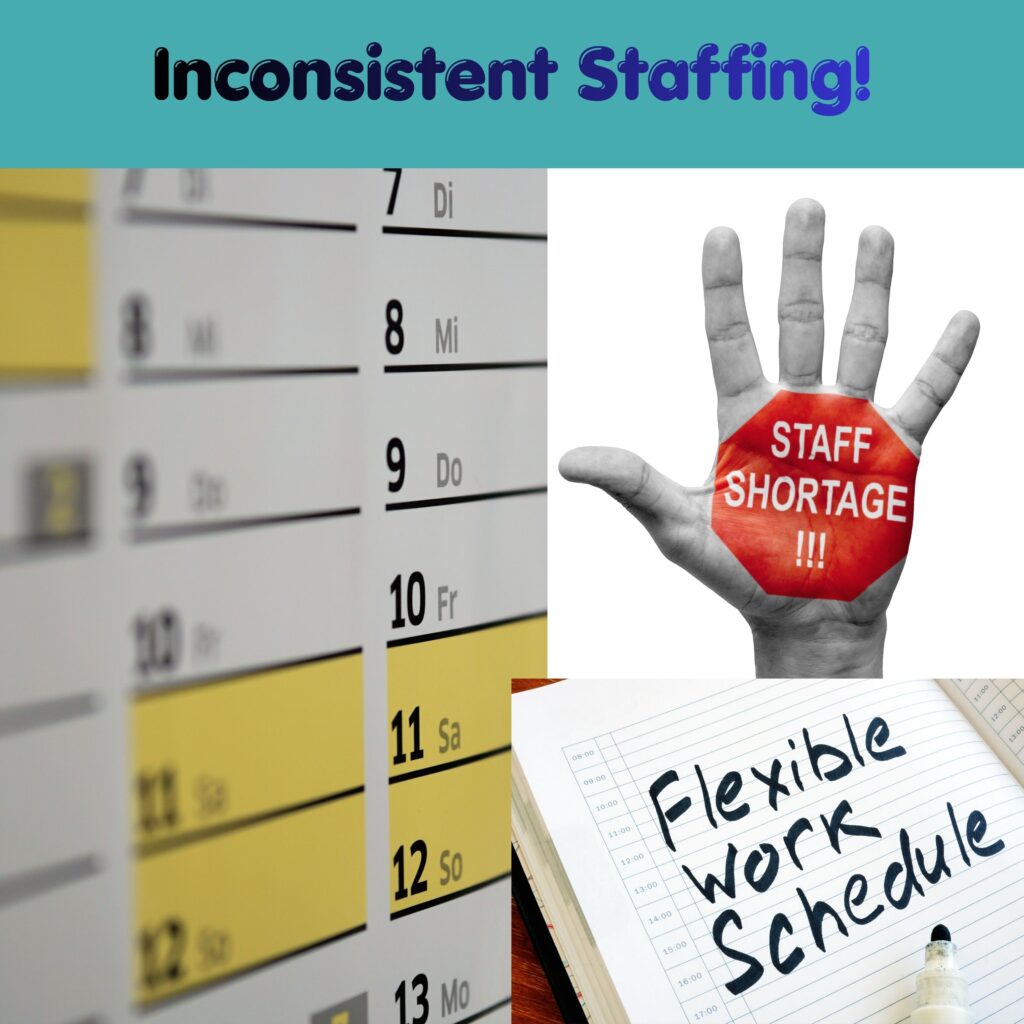
Inconsistent Staffing
People living with dementia often rely heavily on routine and familiarity. Frequent staff or volunteer changes can increase anxiety, confusion or agitation.
You may notice behavioral changes after respite visits, especially if the person providing care does not understand dementia communication techniques. That inconsistency can leave you feeling like the “break” was not worth the emotional fallout afterward.
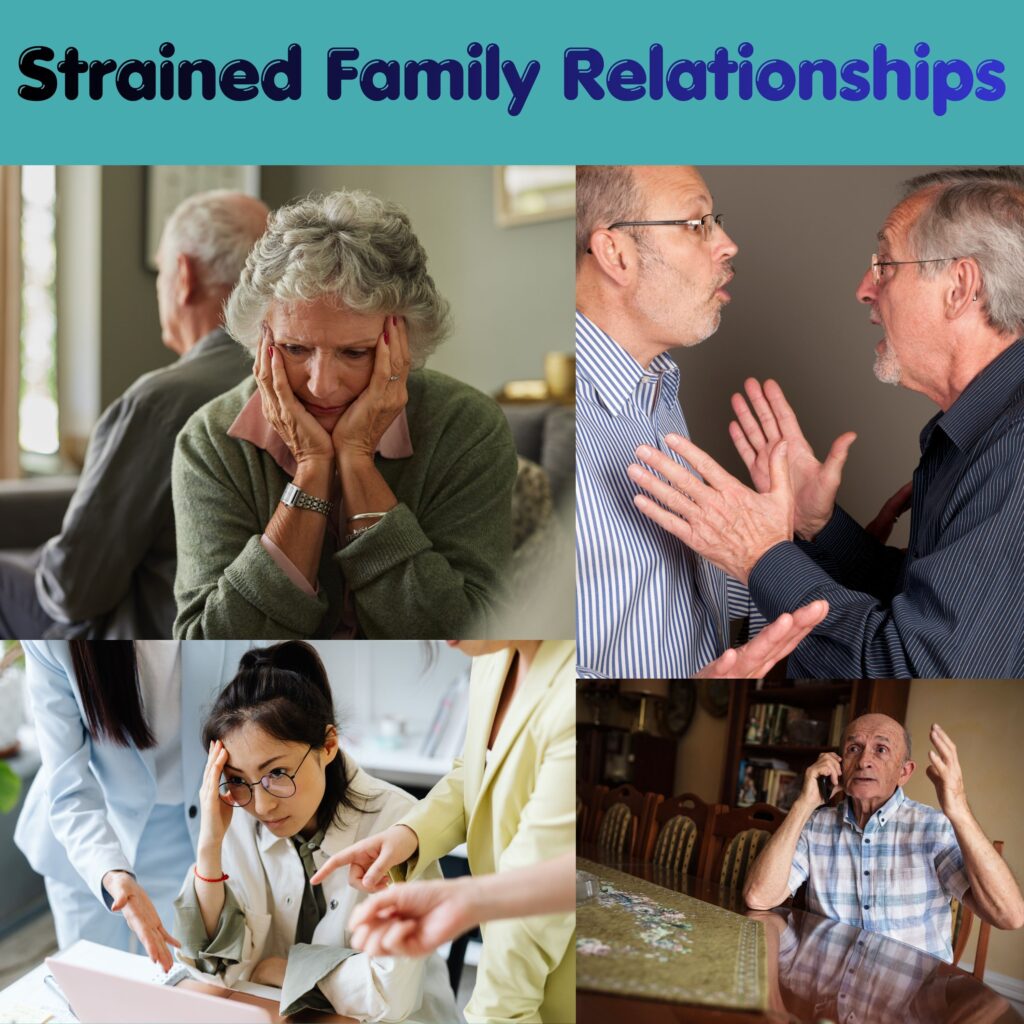
Strained Family Relationships
Family-based respite care can also carry emotional complications. One sibling may feel overwhelmed. Another may criticize your caregiving choices. Someone may offer help but cancel repeatedly at the last minute.
Over time, resentment can quietly build on all sides. Many caregivers end up feeling isolated because they become the default person responsible for everything.

When Paying for Professional Help Becomes the Healthier Choice
Professional respite care may become the healthier choice when:
- Your own health is declining.
- Your loved one needs specialized dementia support.
- Family help has become unreliable.
- You feel emotionally numb, angry, or hopeless.
- Safety concerns are increasing.
- You can no longer leave the house without panic.
Professional caregivers trained in dementia care often know how to redirect difficult behaviors, reduce agitation, and create calming routines. Consistency also helps your loved one build trust over time.

Most importantly, reliable respite care allows you to return to your role as a spouse, child or loved one and not a full-time caregiver operating in survival mode.

Who Pays for Respite Care?
If you’re wondering who pays for respite care, the answer depends on your location, insurance coverage, income level, veteran status and the type of assistance needed.
In some situations, respite care may be partially covered through Medicaid waiver programs, veterans’ benefits, nonprofit organizations, local aging agencies or long-term care insurance. Medicare coverage is usually limited and often tied to hospice or short-term medical situations.
Still, many families eventually pay out of pocket for at least part of their respite care support.
While that can feel financially overwhelming, it is important to compare the cost against what happens when caregivers receive no reliable support at all.

Why Mental Health Support Matters for Caregivers
Many caregivers are also navigating anxiety, depression, sleep deprivation, or emotional trauma while supporting someone with dementia. Unfortunately, mental health support is often difficult to access, especially for exhausted care partners who cannot easily leave home.
That is one reason telepsychiatry has become increasingly important in dementia-related care. Virtual psychiatric services help expand access to mental health professionals for patients and caregivers alike. Remote appointments can reduce travel burdens, provide faster emotional support, and connect families with specialists familiar with dementia-related behavioral changes.
For caregivers already stretched thin, having access to professional mental healthcare from home can make ongoing caregiving more sustainable and less isolating.

Resources That Help Caregivers Feel Less Alone
One of the hardest truths about caregiving is how lonely it can become. Educational and emotional support matter as much as physical respite care. Here are some valuable tools for caregivers searching for guidance, encouragement, and practical support:
- Dementia Map: This worldwide directory helps families locate dementia-friendly services, care resources, support organizations, and educational tools.
- Alzheimer’s Speaks Radio: This radio program shares conversations, caregiving stories, and educational interviews for families navigating dementia care.

You Deserve Support Before You Reach the Breaking Point
Many caregivers wait too long to seek paid help because they believe someone else needs support more than they do. However, caregiving is not a test of endurance. You are allowed to protect your own health while caring for someone else.
You are allowed to choose professional support if free options no longer meet your family’s needs. Sometimes, the hidden cost of “free” respite care is the exhaustion you carry trying to make it work alone. Paying for reliable help can create breathing room, stability and the chance for caregivers to keep showing up with compassion instead of depletion.
Submitted by Beth Rush, Founder and Managing Editor of Body+Mind Magazine
Beth Rush is the mindfulness editor at Body+Mind. She writes about caring for loved ones with Alzheimer’s disease. She also shares tips for coping with c-PTSD, PCOS, and climate anxiety. Her goal is to encourage readers to live their best lives. Subscribe to the Body+Mind Newsletter for more posts by Beth.
Visit Beth on the Dementia Map or on her website.
Contact Lori La Bey

Join the “Giver Of Hope” cause and download your graphic here.

Listen & Subscribe to Alzheimer’s Speaks on Your Favorite Podcast

Contact Us To Be On The Next Open Mic https://alzheimersspeaks.com/be-a-guest/




PLAN AHEAD! Maude’s Awards gives three annual $25,000 awards to organizations and up to five $5,000 awards to individuals.

And How They Are Busting Stigmas By Highlighting Possibilities
Dementia Map Global Resource Directory https://www.dementiamap.com

Learn About The Programs Alzheimer’s Speaks Offers

Talk To Lori La Bey About Your Next Speaking Event for Staff or Families. She Offers A Variety Of Keynotes, Breakout Sessions, Trainings, and Fundraising Asks

Check Out Alzheimer’s Speaks FREE Educational Resources
Conscious Caregiving with L & L is a monthly program covering tough conversations to raise awareness, provide support, and make resources. available. Watch the video now.

Check out Echo’s Insights, where you will learn what it’s really like to live with Alzheimer’s Disease. Visit our Dementia Chats page for more details.

Dementia Chats Brings You Adapting to Brain Change on Alzheimer’s Speaks
Learn More About Dementia Chats